
Clive Coffee celebrates International Women's Day by spotlighting inspiring women coffee leaders breaking barriers across the supply chain.
- Women are increasingly leading every aspect of coffee—from farming and producing to roasting and cafe ownership
- Female coffee professionals emphasize building supportive networks and partnerships to overcome industry challenges
- Companies like Panther Coffee, Sisters Coffee, Red Rooster, and Cartel prioritize fair compensation and transparency throughout the supply chain
International Women’s Day is a global effort to celebrate women’s social, economic, cultural, and political achievements and advocate for accelerating gender equality. This intentional day serves to acknowledge the numerous contributions made by women and the obstacles they encounter along the way.
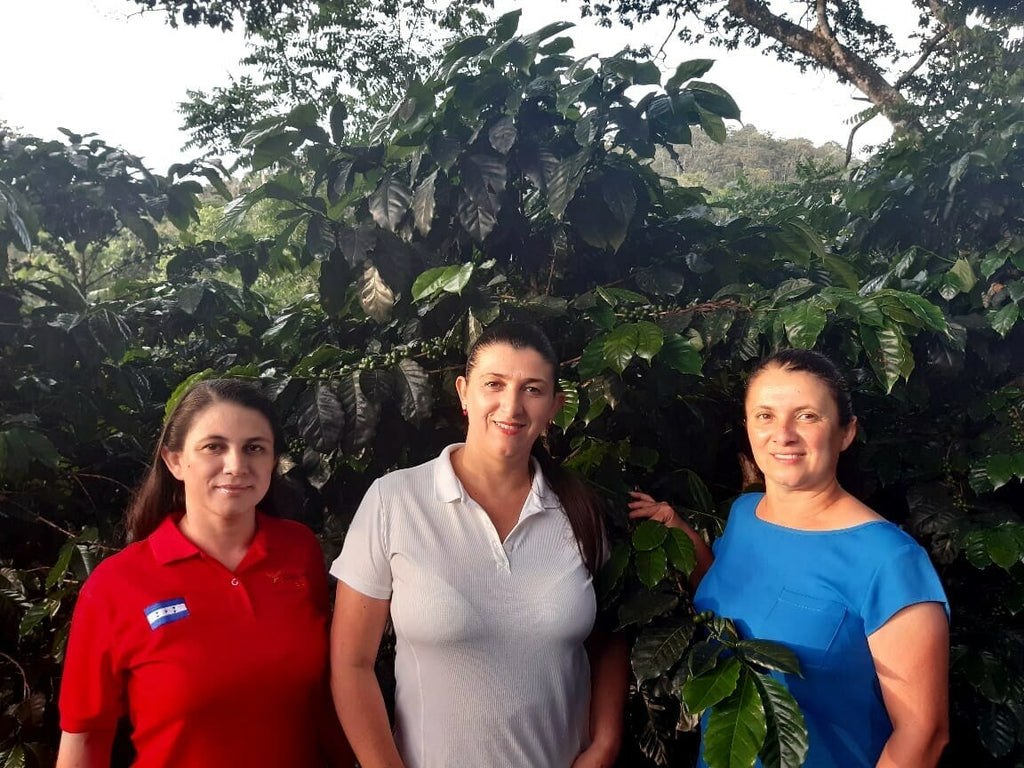
Coffee has long been a male-dominated industry, but more and more women are breaking through and making their mark. From coffee farmers and producers to roasters and baristas, women significantly contribute to every aspect of the coffee supply chain. We take great pride in collaborating with remarkable women who share our mission to provide you with some of the finest coffee from around the world while ensuring that the farmers and producers are compensated with more than a fair wage.
We asked a few of our favorite coffee leaders to weigh in on their experiences in the industry. We strongly recommend adding a coffee or two of theirs to your brew queue this month.
Leticia Pollock, co-owner of Panther Coffee
What was your experience as a woman getting into the coffee industry?
[Leticia] I love our industry and feel like I belong after 20 years! I’d say my experience was dynamic and thrilling! Many places, teachers, mentors, and bosses throughout my life were generous and kind, and I am thankful every day for all I learned and experienced with them.
Of course, there were numerous times when I was patronized, discriminated against, ignored, and worse – but I am committed to giving very little mental energy and time to those interactions (and people). So, I became good at quickly moving on – as I know it has nothing to do with me – and focusing on positive, exciting stuff and people, good opportunities, how I can help others, how I can improve myself, doing my best, etc. As I formed more and more connections with like-minded professionals, things only got better.
I love making the best of my own strengths while partnering with people that are better than me where I lack. It sounds obvious and simple, but it takes intention and effort. Finding a group, a team that works well with you, is essential, in my opinion. Working on mental strengthening and bouncing back from setbacks has always been paramount to me.
Full interview with Leticia Pollock of Panther Coffee
Panther Coffee’s mission is to source, roast and prepare the finest coffees in the world, creating a transaction that is mutually beneficial for all, from producer to final customer.
Jesse Durham, co-owner of Sisters Coffee
What was your experience as a woman getting into the coffee industry?
[Jesse] I think it’s honestly harder now than it was when I first got into coffee. Not because coffee hasn’t moved forward on gender issues because it has. It is harder now because I’m much more aware of institutionalized misogyny now than when I was in my twenties. I remember I was on an origin trip in 2005, and at one point instead of talking about the current crop or freight schedules, I was asked whether I had a boyfriend. I just took the comment in stride, not knowing how to respond or even how incredibly offensive that question is. I’m not being asked those kinds of questions now that I’m almost 40, but I deal with other, I would say more covert, forms of misogyny that are not unique to the coffee industry. Whether it’s someone who comments on my appearance, questions a decision I’ve made, or has trouble being confident in my expertise—these types of interactions become harder when you are in a position of leadership. I believe it’s endemic in our society and something that all of us need to work against. My hope is that I can be a light for younger women to become stronger leaders in coffee.
Full interview with Jesse Durham of Sisters Coffee Co.
Sisters Coffee Company is recognized for transparency, fairness, and quality throughout the supply chain. From their farmers to their staff to their customers, they all grow together.
Rose McCutchan, co-owner of Red Rooster Coffee
What made you want to pursue a career in coffee? Did you have any background or education in coffee?
[Rose] The opportunity seemed to fall into my lap. I’d put myself through school working in restaurants in NYC and found that rush interesting, stressful, and satisfying. My mother decided to open a bookshop in my hometown and wanted to offer coffee. I had no clue what to do with my fresh theatre degree, so I moved back home and tried my luck at doing what I had already been doing for years. We opened a coffee house above her bookstore to mediocre success. Stubbornness and not having anything else quite so interesting on the horizon, I just kept opening the door every day and making improvements as money allowed. The true coffee education occurred when my now husband and co-owner of Red Rooster joined me in the coffee world. He began roasting and learning and studying and I continued to run the coffee house, excited for the coffee quality improvements we were making.
Full interview with Rose McCutchan of Red Rooster Coffee
Red Rooster works tirelessly to provide for their employees. Along the way, they purchase and roast amazing coffees, paying high premiums to producers around the world and roasting them to exacting standards, all while limiting waste and packaging their coffee in biodegradable bags.
Amy Silberschlag, co-owner of Cartel Roasting Co.
[Amy] I learned that there are a bunch of incredible women in coffee and hospitality in general. Finding ways to encourage, collaborate, and support each other through the ups and downs is awesome!
[Amy] At Cartel Roasting Co. we imagine a world where everyone is equal; where community and business meet for good and provide safe space for individuality and human connection; and where opportunities are fostered in order to collectively contribute to healthy change in our communities.
Full interview with Amy Silberschlag of Cartel
Cartel believes every cup of coffee is a collection of stories; they’re stories told through the hard work of farmers, importers, roasters, and baristas along the way before becoming a beverage.
